In 2010, under the direction of Professor Orly Elpeleg, head of the Department of Genetics Hadassah initiated the “Undiagnosed Patient Program,” to identify the causes of diseases that didn’t fall into any known categories.
Today, Hadassah has identified 100 new disease-causing gene variants responsible for medical conditions both mild and severe. These variants are collected into a database called HADASSOME, the largest genetic mapping database in Israel.
The case of Raquel has led to the surfacing of an imminent problem in isolated small Jewish communities in the diaspora. These communities tend to marry among themselves, which can result in marriages between distant relations, unaware that they are 3rd or 4th-degree cousins. In such cases, some of the couples may carry the same disease-causing genomic variant (mutation).
Because of the close relationship between HMO and the Mexican Jewish community, a long-time connection that Hadassah Mexico facilitated, Prof. Elpeleg joined forces with its community leadership to create the Mexican Jewish Community Project.
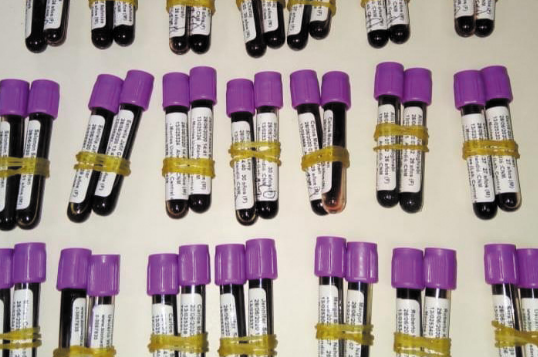
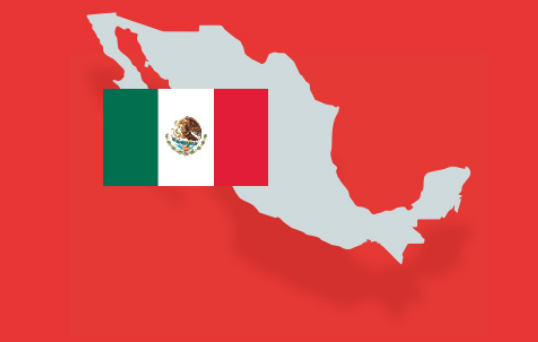
Within the framework of the Mexican Jewish Community Project, some 200 couples’ genes were analyzed. Approximately seven percent of them were informed of shared mutations, data that can now be translated into prenatal diagnosis to prevent the transmission of severe genetic disorders. In addition, a database consisting of genomic variants specific to the Jewish Mexican community was created.
Thanks to gene sequencing of 113 Mexico City Jewish couples, this cutting-edge creation now has a database of over 300 exomes, the coding part of an individual’s DNA.
Within some communities, there are “founder mutations,” variants that are common in the population. It has been known for quite some time that many Ashkenazi Jews, for example, carry founder mutations, even though the people are not related. To prevent the transmission of a severe genetic disorder to the next generation, couples can choose prenatal screening for 100 of these variants.
In the past 3 years, Hadassah has identified disease-causing founder mutations within the Syrian Jewish community of Mexico. Its leaders asked Hadassah to help them identify carriers of these variants.
The Mexican Jewish Community Project is just beginning its third segment. The first was completed in February and the second in May, with a combined total of 113 couples having their exomes sequenced.
As Prof. Elpeleg explained, the participants were informed about particular disease-causing variants, as well as secondary “actionable” findings that would predispose them to heart problems or cancer for which they could take some preventable action, such as monitoring by a cardiologist or having mammography or colonoscopy earlier than recommended for the general population.

